For aspiring student journalists in Massachusetts, choosing the right state university should be about far more than simply selecting a communications major or finding the closest campus to home. Future journalists should think strategically about where they will gain the most real-world experience, how quickly they can begin building a portfolio, what internship opportunities are available, and whether the university environment will help prepare them for the realities of modern journalism.
One of the biggest mistakes many aspiring journalists make is waiting too long to start. Too many students believe journalism experience begins sometime during sophomore or junior year of college. In reality, the strongest young journalists often begin developing reporting skills while still in high school. They start learning interviewing, writing, photography, multimedia storytelling, podcasting, video editing, sports coverage, or community reporting years before graduation. By the time they enter college, they already understand newsroom expectations, deadlines, and professional communication.
That early experience matters tremendously because journalism today is highly competitive. Employers increasingly look for students who already have published work, multimedia experience, internships, clips, and evidence that they understand how modern newsrooms operate. The earlier students begin building those skills, the stronger their position becomes entering college and eventually the workforce.
One of the opportunities available to Massachusetts students interested in journalism is the JumpStart Journalism Program by NewsTalk New England. The program is designed specifically for rising 11th and 12th grade high school students interested in journalism, media, storytelling, and digital news production. According to the program description, the initiative focuses on journalism literacy, digital learning, journalism career development, mentorship, and hands-on newsroom experiences designed to help students prepare for college and future careers in media.
Programs like JumpStart Journalism are valuable because they help students begin building experience before college even starts. Instead of entering freshman year with no newsroom exposure, students can already begin developing portfolios, resumes, networking connections, multimedia skills, and professional confidence. That early head start often becomes one of the biggest advantages young journalists can have.
NewsTalk New England operates as a nonprofit independent media organization focused on news, sports, education, public affairs, lifestyle coverage, community reporting, and multimedia storytelling throughout New England. The organization emphasizes public-interest journalism, community engagement, and digital newsroom collaboration. For students, that type of environment can provide valuable hands-on exposure to the realities of modern journalism while allowing them to contribute meaningfully to actual reporting projects.
Aspiring journalists should understand that internships are no longer something reserved only for upperclassmen. The modern journalism industry rewards initiative. Students who begin networking, building clips, volunteering, freelancing, or participating in journalism programs early often enter college already ahead of their peers in terms of confidence and experience. Even small assignments — covering local events, writing community stories, helping with sports recaps, assisting with social media content, or learning photography — help students develop practical newsroom habits.
Another important reason to start early is portfolio development. Journalism is one of the few professions where employers and internship coordinators often want to see your actual work immediately. Strong clips matter. Published stories matter. Video packages, podcasts, photography, and multimedia content matter. A student who spends high school and early college years consistently producing journalism can graduate with a significant body of work already established.
Students choosing a Massachusetts state university should also carefully evaluate the student media operation on campus. Do not just look at course descriptions. Look directly at the student newspaper, broadcast station, sports media coverage, podcasts, or digital newsroom. Ask important questions during college visits. Are freshmen allowed to participate right away? How active is the newsroom? Are students covering real stories affecting the campus and community? Are there opportunities for investigative journalism, sports reporting, political coverage, podcasting, or multimedia storytelling?
The best journalism training comes through repetition and experience. Students improve fastest when they are consistently reporting, interviewing, editing, filming, writing, and working under deadlines. A strong student newsroom can often teach more practical journalism skills than lectures alone.
Location also matters heavily when selecting a university. Students attending colleges closer to major media markets like Boston or Worcester may have stronger access to internships, sports coverage opportunities, government reporting, and networking connections. However, students attending universities in smaller communities can still gain major advantages through hyperlocal reporting. Covering city councils, school committees, local sports, public safety, transportation issues, and community events provides incredibly valuable experience that directly translates into professional journalism skills later.
One important lesson future journalists should understand is that smaller independent newsroom environments often provide more hands-on experience than larger organizations. In some major corporate internships, students may spend limited time actually reporting. In smaller nonprofit or independent media environments, students are often given meaningful opportunities to contribute directly to coverage, multimedia production, field reporting, social media, or digital storytelling. Experience gained through doing real work consistently is often more valuable than simply having a large organization’s name on a resume.
The JumpStart Journalism Program specifically emphasizes mentorship and career development alongside journalism education. That mentorship component is extremely important because journalism remains a relationship-driven profession. Young reporters benefit enormously from learning directly from experienced journalists who can help them understand interviewing, ethics, storytelling, newsroom communication, and career preparation. Strong mentors can also help students avoid common mistakes while building confidence early.
Another major advantage of beginning journalism experience in high school is learning professional discipline earlier. Journalism requires time management, organization, deadline responsibility, communication skills, and adaptability. Students balancing internships, schoolwork, reporting assignments, and extracurricular activities often develop stronger professional habits before college pressures fully increase.
Students interested in journalism should also understand that modern reporting is multimedia-driven. Writing alone is no longer enough in many newsrooms. Future journalists should begin learning photography, video editing, podcast production, livestreaming, social media strategy, and digital publishing as early as possible. Organizations like NewsTalk New England expose students to broader forms of media production that reflect the realities of the current journalism industry.
Another important piece of advice is to remain curious and community-focused. Strong journalists pay attention to the world around them. They notice issues affecting schools, neighborhoods, sports teams, transportation systems, housing, public safety, education, and local government. Students who actively observe their communities often become stronger reporters because journalism fundamentally begins with curiosity and observation.
Future student journalists should also avoid becoming overly focused on social media popularity. Journalism is not about building online attention through opinions or arguments. Strong journalism is built through reporting, verification, accuracy, fairness, consistency, and trust. Students who spend more time improving their reporting skills than chasing online attention usually build stronger long-term careers.
One of the greatest advantages of starting early through internship and mentorship programs is confidence. Students who enter college already comfortable interviewing people, asking questions, attending public meetings, or covering events often transition more smoothly into college newsrooms and internships. Confidence develops through repetition. The earlier students begin working in journalism environments, the more prepared they become for future opportunities.
Most importantly, aspiring journalists in Massachusetts should understand that journalism careers are built over time. Portfolios are built one story at a time. Relationships are built one conversation at a time. Skills improve one assignment at a time. Students who begin gaining experience during high school through programs like the NewsTalk New England JumpStart Journalism Program often create strong foundations before even stepping onto a college campus.
The students who succeed most in journalism are rarely the ones waiting until graduation to begin. They are the students already reporting, already learning, already networking, already building portfolios, and already treating journalism like a real profession years before entering the industry full-time.
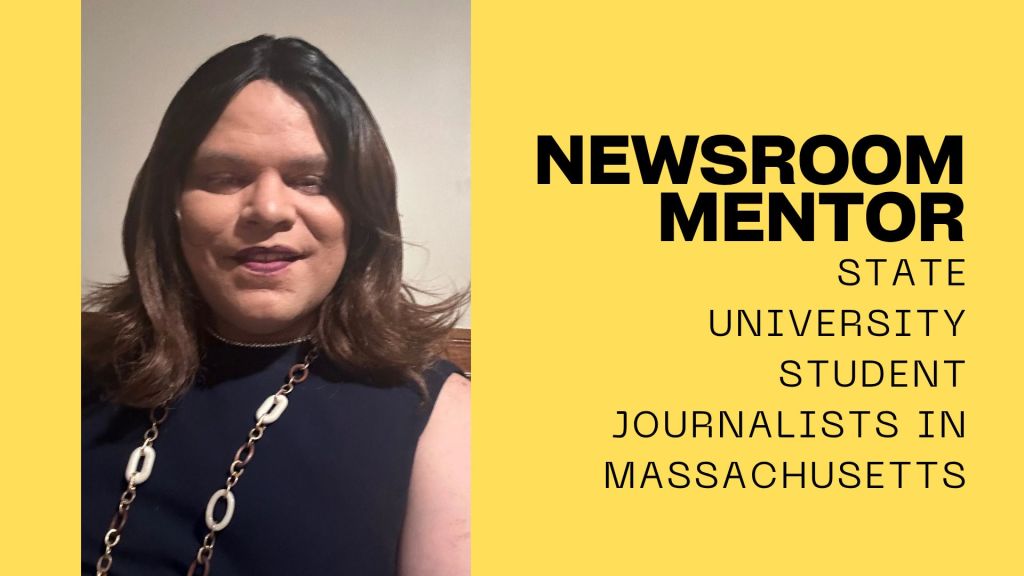
 Newsroom Mentor